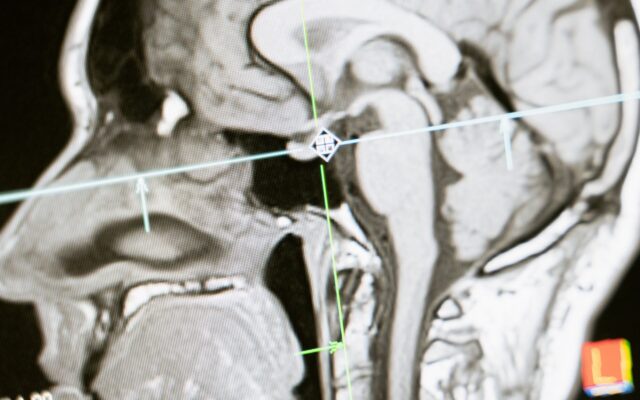
After a car accident, you may feel shaken but otherwise fine. It might not be days or weeks later that something feels wrong. Symptoms like frequent headaches, difficulty concentrating, unexplained mood changes, and memory lapses are all common with traumatic brain injuries and whiplash-associated cognitive dysfunction. A delayed onset doesn’t disqualify you from compensation. It makes the case harder to prove, but not impossible, with an experienced personal injury attorney on Long Island.
Key Takeaways
- Delayed cognitive symptoms after a car accident can include memory problems, irritability, brain fog, and headaches. These are recognized symptoms of traumatic brain injury (TBI) and whiplash-associated disorder (WAD).
- Delayed symptom onset doesn’t prevent a personal injury claim, but it creates evidentiary challenges that require meticulous documentation.
- Objective medical evidence is essential to prove that you meet New York’s serious injury threshold.
- The statute of limitations for personal injury is generally three years, but the longer you wait, the weaker your case may be. Early evaluation is crucial.
Why are Cognitive Symptoms Often Delayed After a Car Accident?
Symptoms are often delayed because the brain and soft tissues around the neck and spine don’t always signal injury immediately. Even if the damage is already done, there are several reasons for the delayed onset of cognitive symptoms.
- Adrenaline and stress can mask pain following a crash.
- Mild concussion frequently presents with no loss of consciousness or alertness. CT scans are often normal in the short term, before symptoms emerge when inflammation develops.
- Diffuse axonal injury, which is the stretching or shearing of nerves, might not produce symptoms until your cognitive load increases. You might feel fine at home, but become suddenly affected when returning to work.
- Whiplash-associated disorder can involve headaches and cognitive dysfunction that don’t appear until days after the neck injury.
These concepts and symptoms are well-understood and documented in medical literature. The delay isn’t evidence that the accident didn’t cause the injury. It’s actually evidence of how these injuries work.
In the hours or days following an accident, you might experience persistent headaches at the base of the skull. Some accident victims have memory difficulties and can forget conversations, miss appointments, or have problems forming sentences. Brain fog, such as slow processing and difficulty concentrating, is a common complaint.
Accident victims who suffer brain injuries also develop sleep disturbances, fatigue, irritability, and problems regulating mood and emotions.
These symptoms significantly impact quality of life and can easily meet the serious injury threshold under Insurance Law § 5102(d) with the right evidence.

Documentation is Crucial for Delayed Onset Cognitive Cases
Cognitive injuries typically fall within Significant Limitation of Use or Permanent Consequential Limitation categories of the serious injury threshold. Cases live or die on documentation.
It is crucial that you seek medical attention after an accident, even if you feel fine. Keep all records. If symptoms develop in the following hours, days, or weeks, you must:
- Seek prompt evaluation by a primary care physician or neurologist as soon as cognitive symptoms arise.
- Ask for neuropsychological testing to measure objective, quantified cognitive baselines.
- Follow up with any specialist referrals.
- Keep all your records to show ongoing symptoms and functional impact.
- Document functional evidence, such as days missed from work, changes in work performance, and impact on daily activities and relationships.
A treating physician who explicitly connects your symptoms to the accident and documents the clinical basis is invaluable. When you start building medical records from the start, even as a precaution before symptoms occur, you will be in a better position to seek compensation.
Talk to an Experienced Long Island Personal Injury Attorney
The Raimondo Law Firm is dedicated to helping Long Islanders get the compensation they deserve. Delayed onset scenarios are challenging, but claims are successful with the right evidence. If you or someone you love has been affected by cognitive symptoms after an accident, you can call today for a free initial consultation and case review. We don’t charge anything unless we win, and we engage with trusted medical experts to build the strongest cases.
Talk to a personal injury attorney today by calling us at (631) 471-1222. We are available 24 hours.
