
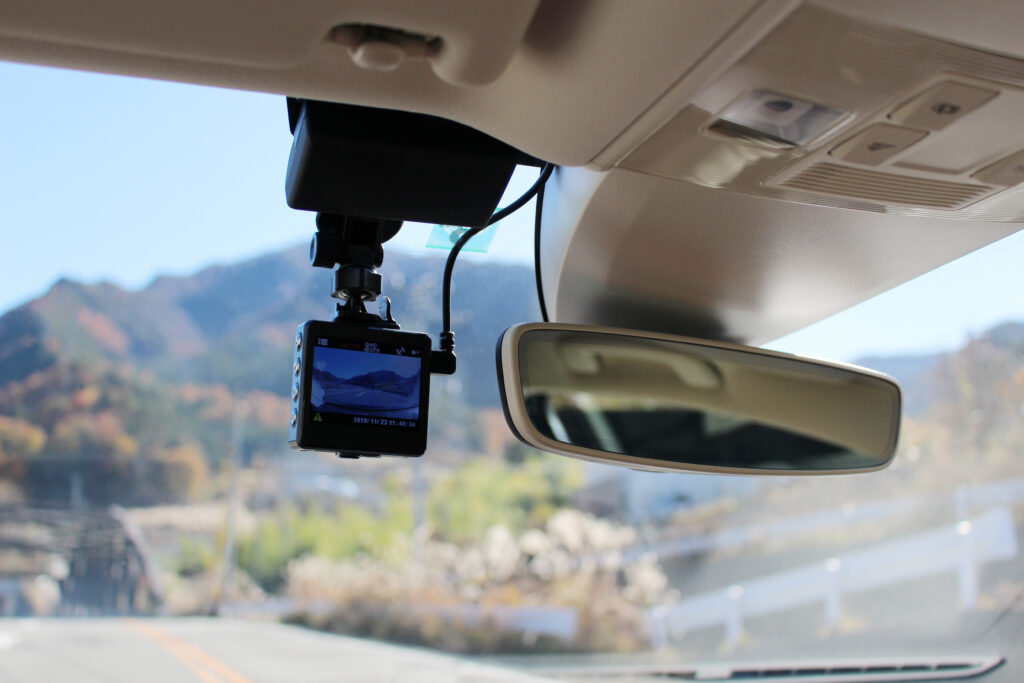
A vehicle’s Event Data Recorder (EDR), or “black box”, is often one of the most objective pieces of evidence in a car accident personal injury claim. This device, which is found in most vehicles produced after 2013, captures telemetry like vehicle speed, braking, and steering inputs in the moments before and during a crash.
The law limits who can access this data, and the data itself can be lost quickly. Rapid legal action is essential if you have been injured in an accident.
The Raimondo Law Firm is a personal injury practice serving all of Long Island. Learn why EDR records are crucial, when and how they’re used, and contact us for your free case evaluation today.
Key Takeaways
- EDRs record objective crash data automatically in the seconds before and during a crash.
- New York Vehicle and Traffic Law § 416-b limits access to the owner’s explicit consent or court order.
- The data can be overwritten within weeks of an accident and could be lost entirely if the vehicle is repaired or scrapped.
This is What Gets Captured by a Vehicle’s Event Data Recorder
Vehicle sensors constantly measure data, but the Event Data Recorder isn’t constantly recording. It is configured to permanently save data when there’s a trigger event, such as an airbag deployment or a sudden change in velocity or vehicle orientation. In short, the data isn’t recorded until the vehicle anticipates a crash.
When it’s triggered, the device preserves a short window of data, usually 5 to 20 seconds depending on the specific model and design.
New York Vehicle and Traffic Law § 416-b controls the information that can be recorded in vehicles sold in the state. The data includes:
- The vehicle’s speed and direction.
- Its location.
- Steering inputs and performance.
- Brake inputs and performance.
- The status of the driver’s seatbelt.
Some vehicles automatically transmit this information to a monitoring service to aid in emergency response.

Who Can Access the Data?
The law is strict on who owns the data and who can access it, limiting how it might be used in a personal injury claim.
- The registered vehicle owner, not the driver, owns the data collected by an EDR.
- In a personal injury claim, the information can be shared with the owner’s consent. This can happen when there is a dispute regarding who is at fault for an accident.
- A court order can compel the release, typically once a lawsuit is filed and the data owner refuses consent.
If an at-fault driver doesn’t voluntarily share the data, an accident attorney needs to secure a court order to compel it, after a lawsuit has been initiated. This is one reason why early legal involvement matters.
Speed and Processing Matter with This Type of Evidence
The data in an Event Data Recorder isn’t permanent, and it can be lost in several ways before an attorney sees it.
- The data is overwritten through continued use. Various manufacturers have different configurations, sometimes as little as 60 days after normal driving, or after a certain number of ignition cycles.
- The data is often lost during repairs, or when the vehicle is scrapped after an accident.
A Long Island personal injury lawyer can send a preservation letter to the legal representative of the data owner, their insurer, or the vehicle’s custodian. This creates a legal obligation to preserve the data recorder.
Even if the data is preserved and the owner is willing to share it, or the court compels it, the extraction of the data is also a sensitive process. The evidence might be excluded if the extraction wasn’t handled properly.
- The technician who collects the data must be specifically trained in EDR retrieval.
- Poor handling of the data could invalidate it.
- The extraction and chain of custody should be accurately documented.
A Long Island accident attorney, working with accident reconstruction experts, can ensure that the data is preserved and extracted in a way that maintains its viability as objective evidence.
Frequently Asked Questions
Do All Passenger Cars, Trucks, and Vans Have Event Data Recorders?
Most modern vehicles do. Cars sold in the U.S. have had EDRs as standard equipment for more than a decade.
Can I Use My Own Black Box Data as Evidence?
Yes, and this is usually strong objective evidence when disputing who caused a crash or the severity of a crash. The same high standards for extraction and data handling apply.
What if the Other Driver Refuses to Share Their Data?
Your Long Island accident attorney can pursue a court order to compel disclosure, but a preservation letter should go out immediately, even before a lawsuit is initiated. This will preserve the data before the matter is before the court.
Talk to a Long Island Personal Injury Lawyer Today
Event Data Recorder logs aren’t the only evidence used to prove what happened in a crash. Dashcam footage, witness statements, police reports, security footage, and even cell phone logs are all valuable when seeking compensation for an injury.
If you are injured in an accident, talk to a personal injury lawyer as soon as possible. This will ensure that the evidence and your rights are protected.
The Raimondo Law Firm is ready to evaluate your case for free. We are available 24/7. Reach out to a Long Island accident attorney at (631) 471-1222.
