
Imagine you are driving down the Long Island Expressway during rush hour. Traffic is heavy, but moving. Suddenly, a car in the adjacent lane swerves aggressively into yours, clipping your front bumper and sending you into the guardrail.
When the police arrive, the other driver tells a completely different story. They claim you drifted into their lane. There are no independent witnesses, and the physical damage could arguably support either version of events. In the past, this “he said, she said” scenario often resulted in split liability, leaving innocent victims with higher insurance premiums and unpaid medical bills.
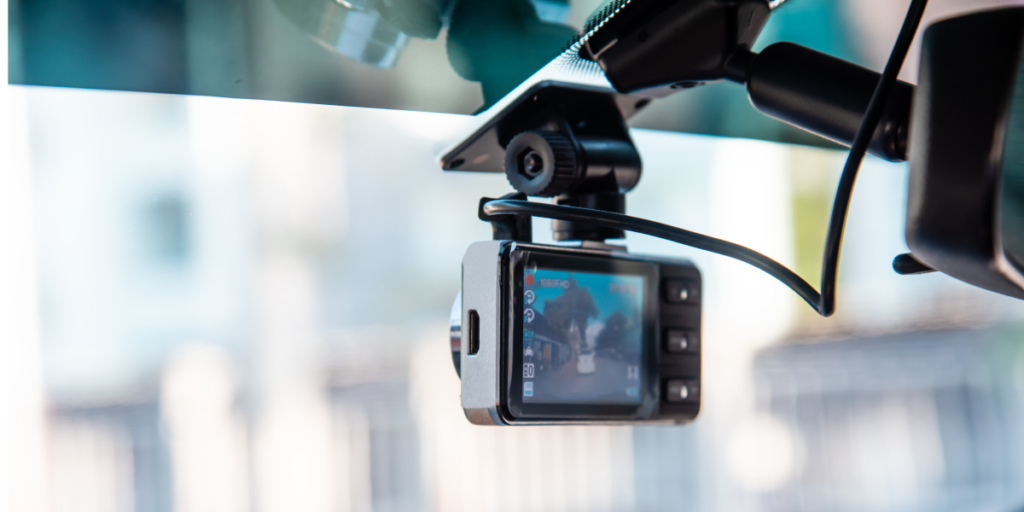
Today, however, there is a powerful tool that can cut through the confusion: the dashboard camera, or “dashcam.”
As these devices become more affordable and common across Nassau and Suffolk counties, they are revolutionizing how we handle personal injury claims. But simply having a camera isn’t enough; you need to understand how to use that footage effectively within the legal system. This guide explores the critical role dashcam footage plays in proving fault, the legal standards for admissibility in New York courts, and how The Raimondo Law Firm leverages this digital evidence to protect our clients.
The End of “He Said, She Said”
The most significant benefit of a dashcam is its objectivity. Human memory is notoriously unreliable, especially during traumatic events like car accidents. Adrenaline, shock, and the speed of the collision can distort a driver’s perception of what happened. Furthermore, at-fault drivers often lie to avoid higher insurance rates or legal consequences.
Dashcam footage provides an impartial, real-time record of the incident. It acts as an unblinking, silent witness that doesn’t forget details and can’t be intimidated.
What Video Evidence Can Reveal
Video footage captures subtleties that static photos of vehicle damage cannot. A dashcam can definitively prove:
- Traffic Signal Status: Who actually had the green light at the intersection?
- Lane Discipline: Did a driver signal before changing lanes, or did they cut you off?
- Speed and Recklessness: Was the other driver speeding, tailgating, or brake-checking you prior to impact?
- Road Conditions: Were there potholes, obscured signs, or poor lighting that contributed to the crash?
- Sequence of Events: In multi-car pileups—common on the Southern State Parkway—video can show who struck whom first, establishing the chain of causation.
Using Footage in Insurance Negotiations
Before a case ever reaches a courtroom, it typically goes through the insurance claims process. Insurance adjusters are trained to minimize payouts. Without concrete evidence, they may try to assign a percentage of fault to you, leveraging New York’s comparative negligence laws to reduce your settlement.
When you present clear, high-definition video evidence showing the other driver’s negligence, it changes the dynamic of the negotiation entirely. It becomes much harder for an insurance company to dispute liability when the accident is played out on screen.
We often see insurance carriers shift from denying a claim to discussing settlement figures almost immediately after receiving dashcam footage. It eliminates the ambiguity that they often use to their advantage.
Is Dashcam Footage Admissible in New York Courts?
The short answer is yes. In New York, video footage is generally admissible as evidence in legal proceedings, provided it meets certain criteria regarding relevance and authenticity. However, admissibility is not automatic.
Establishing Authenticity
For the court to accept the video, your attorney must prove that the footage is genuine and has not been altered. This is why it is critical never to edit or crop the video file yourself. Even innocent attempts to “shorten” the clip to show just the accident can be argued by the defense as tampering. Always provide the raw, original file to your lawyer.
The Question of Audio
Many dashcams record audio inside the cabin. New York is a “one-party consent” state for recording conversations. This means that as long as you (one party) are part of the conversation, you can legally record it. However, if you are recording passengers who have an expectation of privacy, or if you lend your car to someone else, legal complications can arise.
From a strategic standpoint, audio can be a double-edged sword. It can record the sound of screeching tires or horns, which is helpful. But it can also record your own conversations, music, or immediate reactions (like cursing or apologizing), which a defense attorney might try to use against you.
Tips for Maximizing Dashcam Effectiveness
If you already own a dashcam or are planning to buy one, following a few best practices can ensure the footage stands up to legal scrutiny.
1. invest in Quality
A grainy video that fails to capture a license plate number at night is of little use. Look for a camera with at least 1080p resolution (4K is better) and good low-light performance. A wide-angle lens (typically 140 to 170 degrees) ensures you capture activity in adjacent lanes.
2. Check Your Settings
Ensure the time and date stamp on your device is correct. If you are involved in an accident on February 7, 2026, but your camera timestamp says January 1, 2018, the defense can challenge the validity of the evidence.
3. Consider Rear-Facing Cameras
Rear-end collisions are among the most common accidents on Long Island. A front-facing camera shows what you did, but a rear-facing camera proves that the car behind you was following too closely or distracted.
4. Secure the Memory Card Immediately
After a crash, the chaos can be overwhelming. However, dashcams typically record on a loop, overwriting old footage once the card is full. If you drive your car home or to a repair shop with the camera still running, you risk overwriting the accident clip.
- Stop the recording: Turn the device off or remove the card immediately after the crash.
- Backup the file: As soon as you get home, make multiple copies of the file on your computer and cloud storage.
What to Do If You Have Footage of Your Accident
If you have captured your accident on video, your next steps are crucial.
Do NOT post it on social media.
It is tempting to share the video on Facebook or Instagram to show friends what happened or to vent about the other driver. Do not do this. Social media posts can be discovered by defense attorneys and used to frame your state of mind or argue that you were distracted.
Do NOT show it to the other driver.
You are under no obligation to show the footage to the other party at the scene. Doing so can escalate a confrontation. Simply inform the police officer that you have a dashcam recording.
Do give it to your attorney.
Bring the raw footage to The Raimondo Law Firm during your consultation. We will analyze the video to determine how it fits into your broader legal strategy.
Strengthening Your Personal Injury Claim
While dashcam footage is powerful, it is rarely the only evidence needed to win a substantial personal injury settlement. It is one piece of a larger puzzle.
At The Raimondo Law Firm, we combine video evidence with:
- Medical Records: To link the physical forces seen in the video to your specific injuries.
- Expert Testimony: We work with accident reconstructionists who can calculate vehicle speeds and force of impact based on the video data.
- Witness Statements: To corroborate what the camera saw from different angles.
Even if the video shows you were partially at fault, you may still be entitled to compensation. New York’s comparative negligence rule allows you to recover damages even if you were 99% responsible (though your recovery is reduced by your percentage of fault). Dashcam footage helps us ensure that you are not assigned more blame than you truly deserve.
Conclusion: Protect Yourself on the Road
Installing a dashcam is one of the most cost-effective ways to protect yourself legally and financially. It provides peace of mind knowing that if the unthinkable happens, you will have the truth on your side.
However, having the evidence is only half the battle. You need a legal team that knows how to leverage that evidence to force insurance companies to pay what is fair.
If you have been injured in a car accident—whether you have dashcam footage or not—you need aggressive representation. We know the tactics insurance companies use to devalue claims, and we know how to use digital evidence to fight back.
Don’t let the truth get lost in the shuffle.
If you or a loved one has been injured in a car accident in New York, speaking with a knowledgeable personal injury attorney can help you understand your next steps and move forward with confidence. To learn more about your legal rights and options, contact The Raimondo Law Firm today at (631) 460-5472 or fill out our online form.
Disclaimer: This post is for informational purposes only. Viewing or interacting with this content does not create an attorney–client relationship. For advice specific to your situation, please contact our office directly at 631-471-1222.